
National Commission for Women Calls for Stricter POSH Compliance and Here is What You Need To Know.
POSH compliance is no longer just a paper formality but requires active participation by Organisations across the nation. The recent…

The Bombay High Court’s recent observations on the functioning of Internal Committees did not change the PoSH framework. Instead, they clarified how it is meant to work. The Court reaffirmed that these committees exist for a specific purpose, and their authority cannot be stretched simply because a situation feels uncomfortable or disruptive. The court’s decision…
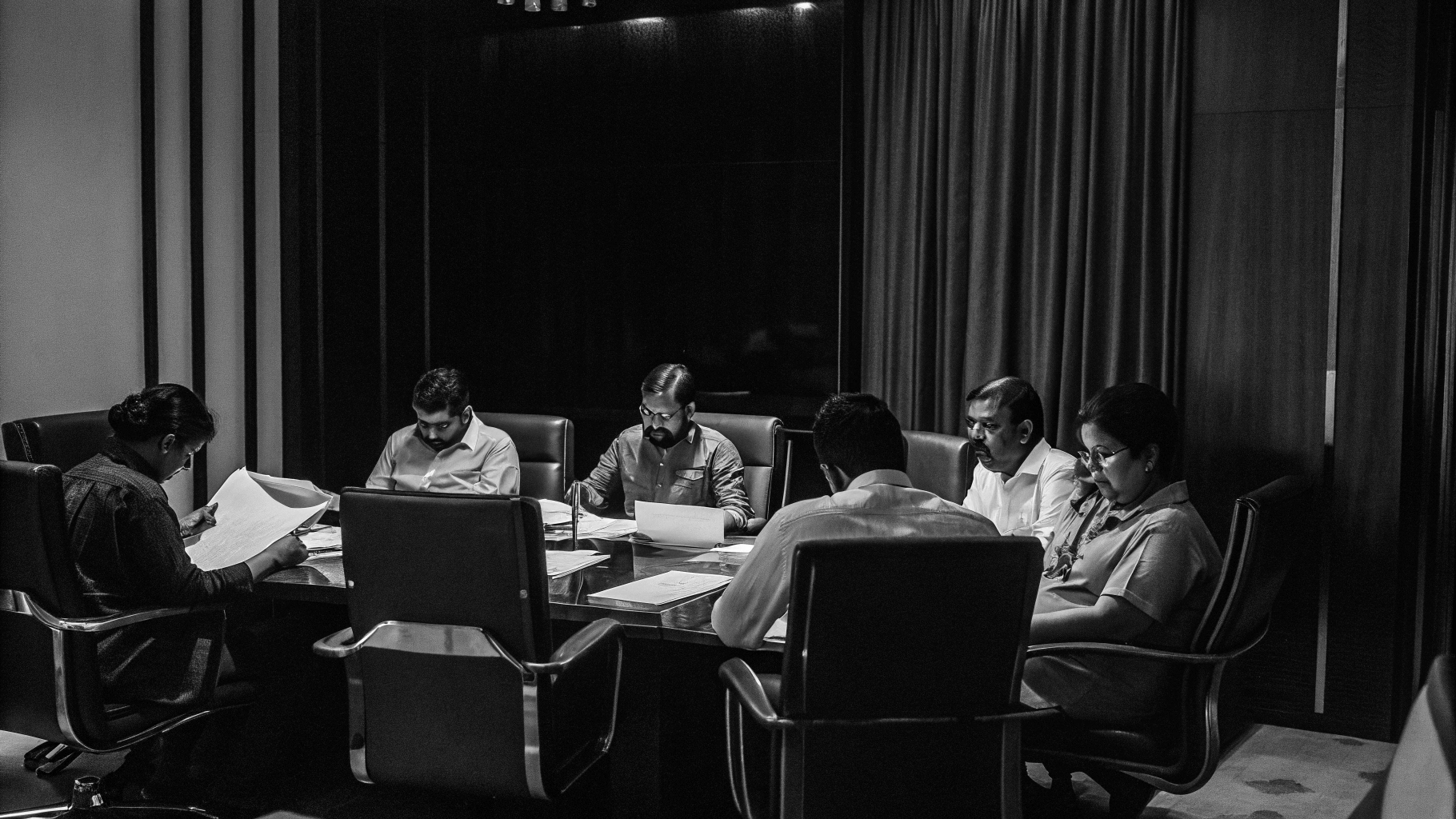
The Bombay High Court’s recent observations on the functioning of Internal Committees did not change the PoSH framework. Instead, they clarified how it is meant to work. The Court reaffirmed that these committees exist for a specific purpose, and their authority cannot be stretched simply because a situation feels uncomfortable or disruptive.
The court’s decision makes it all the more important and clear that the IC members training not only happens on paper but also in practice . Training must translate into real understanding and practice, so that committee decisions stay aligned with both the law and the limits of their mandate. Because what can be observed in the recent case is that when a committee goes beyond its defined role, even in an effort to resolve workplace concerns, the process can become unfair and legally vulnerable.
The respondent in this IC case claimed that the constant chatter of three colleagues seated near him made it difficult for him to concentrate on his work. To raise this concern, he recorded videos of their conversations and submitted them to management as evidence. This act outraged the three colleagues, who then filed a complaint against him before the Internal Committee.
The respondent acknowledged that he had recorded the videos during the investigation, but he insisted that the intention was not to harass or threaten his coworkers, but rather to document workplace disruption. The Internal Committee determined that the act of video recording did not constitute sexual harassment after reviewing the complaints and the recordings.
The Committee also noted that it was improper to record coworkers without their permission, which made the workplace uncomfortable. Based on this, the Committee suggested that the employer take disciplinary action against the respondent in accordance with the organization’s service rules, even though it concluded that no sexual harassment had taken place.
The respondent challenged the Committee’s recommendation, claiming that it lacked the authority to recommend any disciplinary action after concluding that there had been no sexual harassment. This led to the Bombay High Court hearing the case. The main question was whether an Internal Committee could still recommend disciplinary action for general misconduct after concluding that sexual harassment was not proven, and whether a penalty based only on such a recommendation could be upheld in court.
The Bombay High Court clarified that an Internal Committee’s role is limited to examining complaints of sexual harassment. In this case, the IC found no sexual harassment, but still recommended disciplinary action for other workplace conduct. The Court held that this exceeded the Committee’s authority under the PoSH Act.
The Court’s message was simple. An Internal Committee is created for one specific purpose: to examine complaints of sexual harassment. Its authority comes from the PoSH law, and it does not extend beyond that. Once the Committee concludes that sexual harassment did not take place, its job is done. At that point, it cannot step into the role of a general disciplinary body or recommend punishment for other workplace behaviour. Those concerns may still need attention, but through HR or management channels, not through the IC.
“ hence once the Committee has formed an opinion that the conduct of the Petitioner did not constitute ‘sexual harassment’, it could not have recommended any action against the Petitioner. It should have simply closed the matter and dismissed the complaint.”
-Bombay High Court
The Court held that once an Internal Committee concludes that sexual harassment is not established, it cannot recommend any further action, and must simply close the complaint. Any disciplinary measures imposed solely on such recommendations, the Court observed, cannot be sustained in law. In doing so, the judgment reaffirmed that an IC’s authority is limited to inquiries under the PoSH framework, and actions taken beyond that mandate are vulnerable to judicial review. This clarification now places a clear responsibility on organisations to separate PoSH inquiries from their broader disciplinary processes.
The Court’s clarification makes one thing clear: Internal Committees must operate with a precise understanding of their role. When an IC moves beyond its mandate, even with good intent, the process becomes vulnerable. This places renewed importance on how IC members are trained. Training cannot be a procedural checkbox; it must build real judgement about jurisdiction, process limits, and lawful decision-making. Because when committee members understand not only what the law requires but where their authority ends, organisations are far less likely to face avoidable legal and procedural risk.
Which is why Ungender’s IC training focuses not only on explaining the PoSH framework, but on translating it into practical decision-making skills, helping committee members recognise boundaries, conduct inquiries confidently, and remain aligned with both law and process in real workplace situations.
What emerges from this decision is not just a legal clarification, but a reminder of how fragile workplace processes become when role boundaries blur.


Backed by enterprise-grade security and compliance
Your sensitive workplace data deserves the highest level of protection. We maintain rigorous security standards and compliance certifications to ensure your organization's information remains secure, confidential, and audit-ready.
View Security Center