
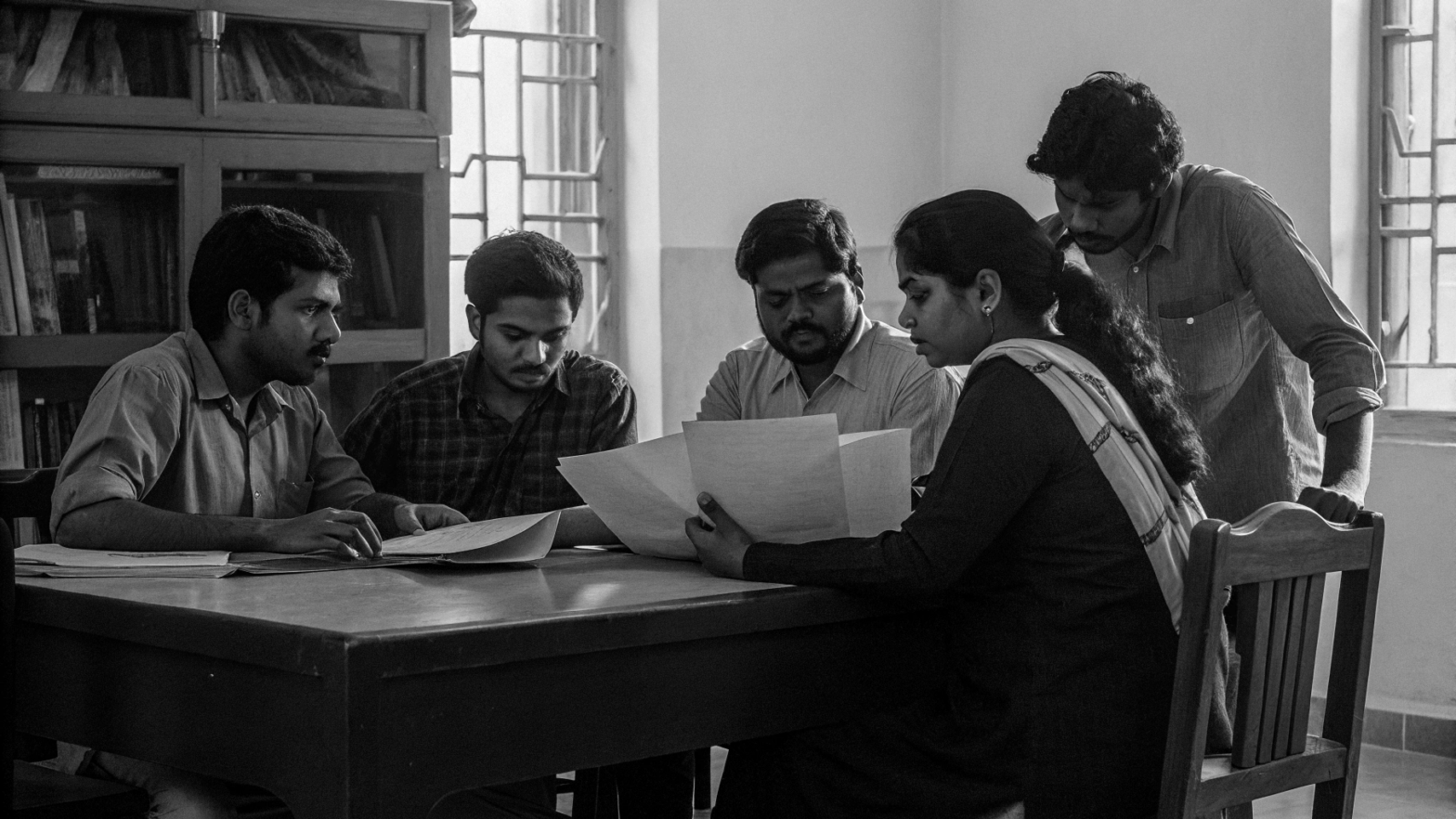
PoSH timelines often become a point of uncertainty once a complaint is reported later than expected. While the Act prescribes clear time limits for filing complaints, workplace reporting does not always follow statutory schedules. Complaints may surface after delay for reasons that are not captured neatly within legal definitions. This places Internal Committees and employers… Continue reading PoSH Timelines in Practice: How Limitation Works
Tag: Delhi High Court
How Fairness Works in POSH Inquiries: What Everyone Involved Should Know

Over the past few years, PoSH inquiries have become a familiar fixture inside organisations. Most employees now know that a formal process exists, that an Internal Committee hears complaints, that reports are issued, and that statutory timelines guide the journey. On paper, the mechanism is no longer new. Yet in conversations with complainants, respondents, HR… Continue reading How Fairness Works in POSH Inquiries: What Everyone Involved Should Know
Ensuring Fair Process on Both Sides: Respondent Rights in PoSH Inquiries

In PoSH inquiries, Internal Committees often place significant emphasis on protecting the aggrieved employee. This emphasis is necessary and rooted in the purpose of the law. However, when concern for protection begins to influence how evidence is assessed, how procedures are applied, or how parties are heard, the inquiry can unintentionally move away from neutrality.… Continue reading Ensuring Fair Process on Both Sides: Respondent Rights in PoSH Inquiries
Sahitya Akademi Ruling: What ICCs Must Know

This 44-page judgment is pathbreaking, not only for detailing the lapses on the part of the organization but also for outlining, through its reasoning, how the entire fiasco could have been avoided with proper compliance. “Before parting, it must be observed that the present controversy could well have been avoided had the Akademi, as a… Continue reading Sahitya Akademi Ruling: What ICCs Must Know
