

PoSH timelines often become a point of uncertainty once a complaint is reported later than expected. While the Act prescribes clear time limits for filing complaints, workplace reporting does not always follow statutory schedules. Complaints may surface after delay for reasons that are not captured neatly within legal definitions. This places Internal Committees and employers… Continue reading PoSH Timelines in Practice: How Limitation Works
Category: Legal Updates
How Should Organisations Recognise that Internal Committees are Exceeding Their Mandate?

The Bombay High Court’s recent observations on the functioning of Internal Committees did not change the PoSH framework. Instead, they clarified how it is meant to work. The Court reaffirmed that these committees exist for a specific purpose, and their authority cannot be stretched simply because a situation feels uncomfortable or disruptive. The court’s decision… Continue reading How Should Organisations Recognise that Internal Committees are Exceeding Their Mandate?
Does Conciliation End Employer’s PoSH Responsibilities?

What does conciliation actually conclude, the complaint, the inquiry, or the organisation’s responsibility to act? For many companies and Internal Committees(ICs), conciliation under the POSH framework has become a practical way to close a complaint, to de-escalate conflict and restore workplace stability. But it also leaves behind an unsettled question: when an Internal Committee’s inquiry… Continue reading Does Conciliation End Employer’s PoSH Responsibilities?
PoSH in 2025: A Recap of What Courts Expect from Companies and Internal Committees

For HR teams and Internal Committees, 2025 was less about statutory change and more about setting clear standards for PoSH compliance. Courts focused on how organisations interpret harm, exercise jurisdiction, and conduct inquiries, shifting evaluation from intent or form to fairness and consistency. Key themes were understanding harm from the complainant’s perspective, clarifying authority in… Continue reading PoSH in 2025: A Recap of What Courts Expect from Companies and Internal Committees
How ICs Can Manage Cross-Organization Harassment Complaints?
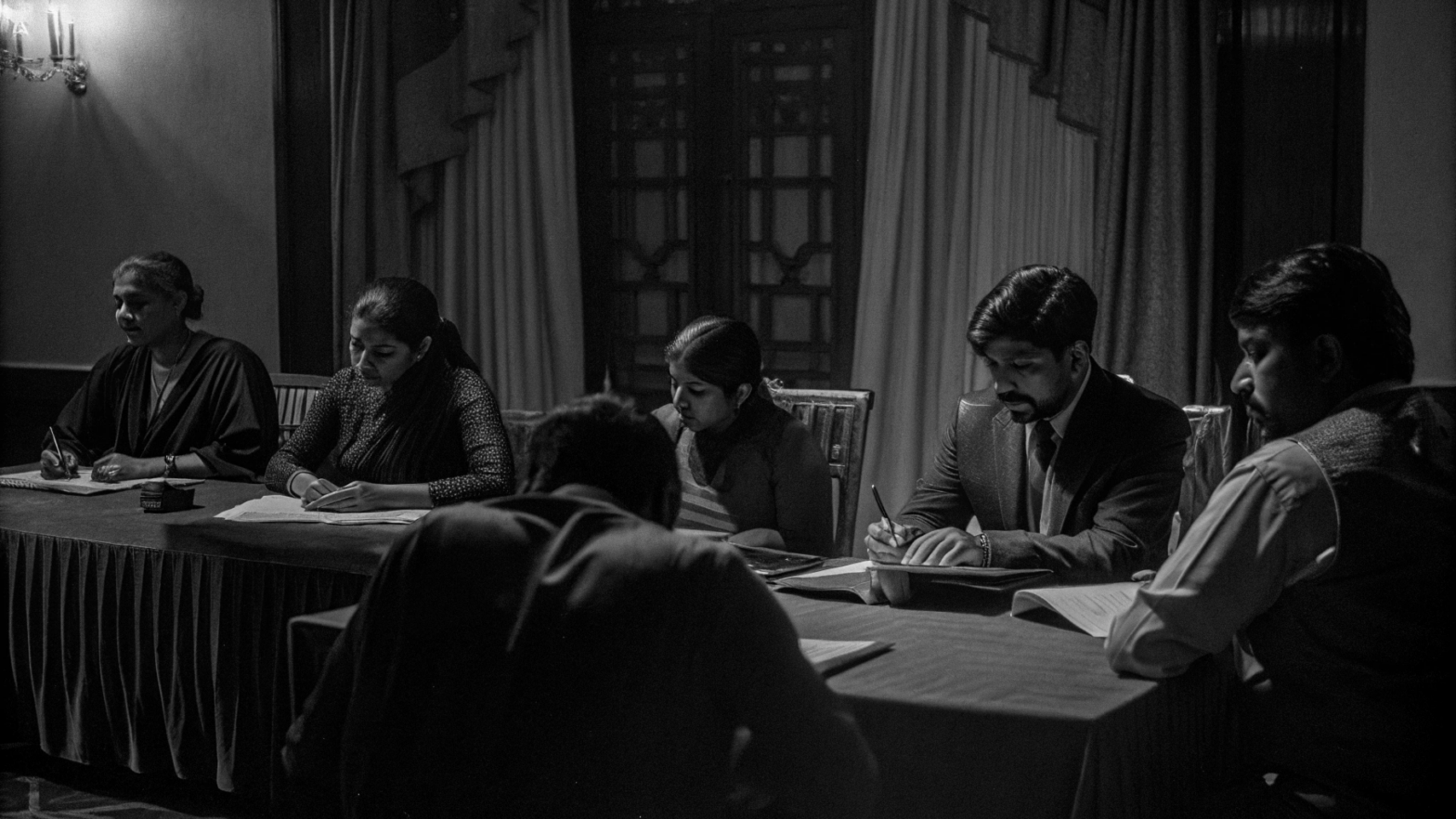
The Supreme Court’s recent observations on the functioning of Internal Committees (ICs) did not alter the PoSH framework but clarified and reinforced its existing principles. This articulation reaffirms that employees retain the right to approach their own IC even when the alleged harasser belongs to another organization, thereby strengthening accountability across workplaces. Until now, many… Continue reading How ICs Can Manage Cross-Organization Harassment Complaints?
PoSH External Members: Where Duty Ends and Liability Begins

External Members were introduced into the PoSH framework to strengthen neutrality, but over time, their role has become layered with expectation, ambiguity, and risk. Organisations rely on them for both expertise and legitimacy, while complainants and respondents look to them for reassurance that the process is fair. The Karnataka High Court’s recent order finally addresses… Continue reading PoSH External Members: Where Duty Ends and Liability Begins
Not All Harassment Is Sexual Harassment? What Every IC Must Understand

The distinction between workplace harassment and sexual harassment is often blurred in real complaints. Employees may report mistreatment without understanding whether it falls under PoSH, leaving ICs to determine where the line is drawn under the law. At what point does an IC member draw a clear line between inappropriate behaviour and a violation under… Continue reading Not All Harassment Is Sexual Harassment? What Every IC Must Understand
Impact vs Intent: What Truly Determines Sexual Harassment?

Among the many questions Internal Committees grapple with, few create as much uncertainty as the balance between impact and intent. When a complaint lands on the IC’s table, members look for evidence, context, timelines, testimonies, and consistency. But eventually, the inquiry always circles back to the same tension: “Should the complainant’s experience of harm take… Continue reading Impact vs Intent: What Truly Determines Sexual Harassment?
Time Limits vs. Justice: SC Removes Controversial Direction in NUJS VC Case

According to a study, 98% of women are aware that sexual harassment occurs through online mediums, yet 87% of these women never reported any instances to the concerned authorities. This underlines a critical issue: awareness does not always translate into action. The PoSH Act, 2013, was enacted as a landmark step in India’s workplace legislation.… Continue reading Time Limits vs. Justice: SC Removes Controversial Direction in NUJS VC Case
Safeguarding Justice: Interim Relief in POSH Inquiries

A 2022 report by Gapjil 119 revealed a stark reality: 8 out of 10 women who report sexual harassment at the workplace face some form of retaliation. Imagine the courage it takes for a complainant to step forward, only to face backlash that threatens her job security, reputation, or daily work life. This reality creates… Continue reading Safeguarding Justice: Interim Relief in POSH Inquiries
