
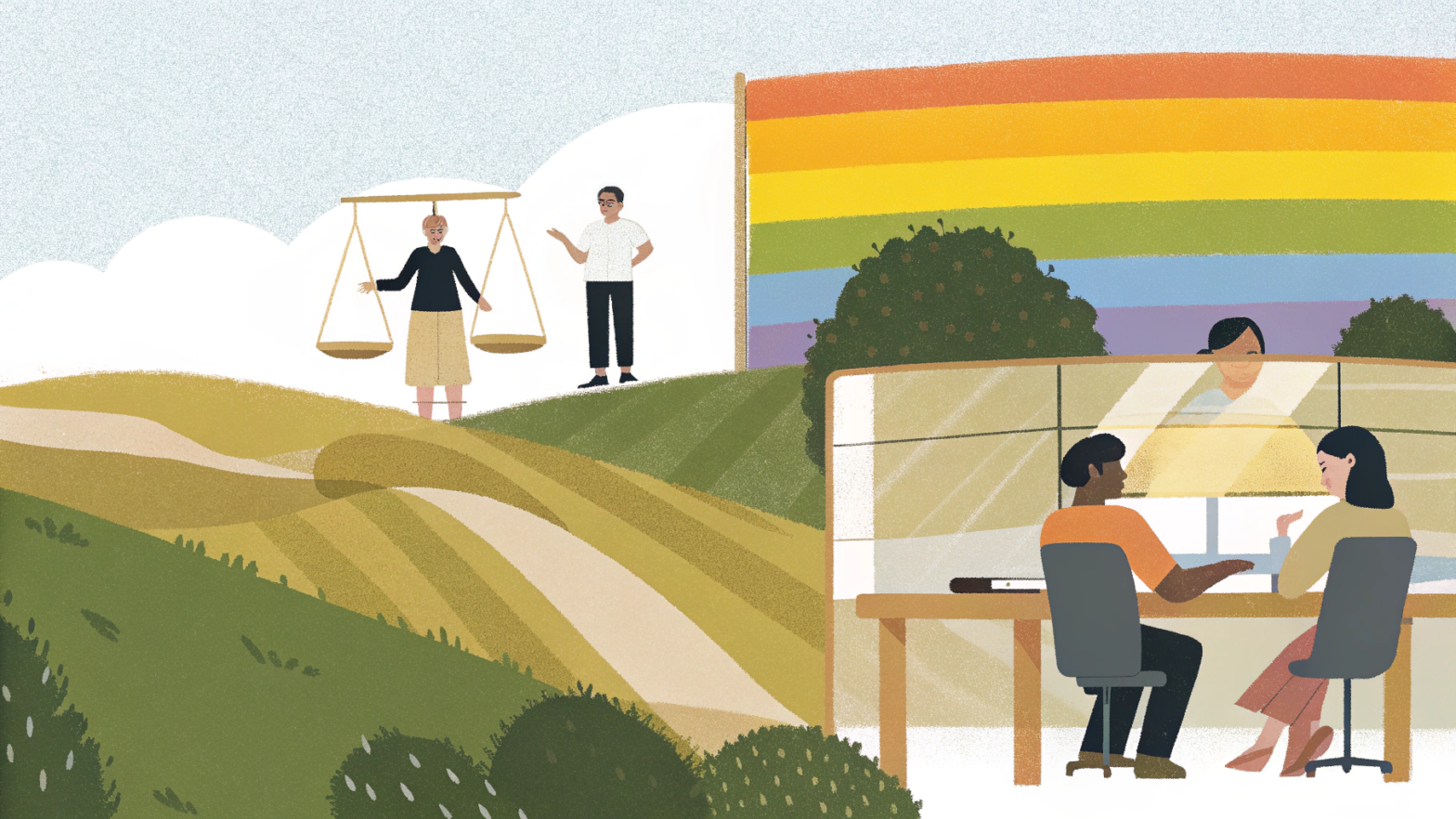
Replacing a fragmented legacy framework, India’s new labour codes streamline compliance while extending protections to previously underserved worker groups, including contract, gig, and platform workers, and strengthening workplace inclusion for women. What are the new laws and what are they replacing? Until recently, India’s workplaces were governed by 29 fragmented labour laws. The four new… Continue reading How New Labour Laws Are Ungendering Workplaces?
Category: Women at work
Period Leave: Perk or Right?

Conversations around workplace inclusion often leave out one of the most routine yet stigmatized aspects of women’s health, i.e.,menstruation. For many women, what should be a matter of basic support turns into daily discomfort because workplaces fail to consider menstrual needs as part of employee well-being. A recent study on menstrual hygiene management in Kerala’s… Continue reading Period Leave: Perk or Right?
From Performative Compliance to Real Governance: Zooming into the Gaps in India’s Entertainment Industry

“The truth will set you free, but first it will cost you something.” — Anonymous In the world of entertainment, where creativity should soar freely, a harsh reality persists: many women face silence, invisibility, and sometimes outright retaliation when they speak out against harassment. This is not just an incident but a widespread issue. Shockingly,… Continue reading From Performative Compliance to Real Governance: Zooming into the Gaps in India’s Entertainment Industry
From Passion to Profession: How Cricket’s Workplace Got Ungendered
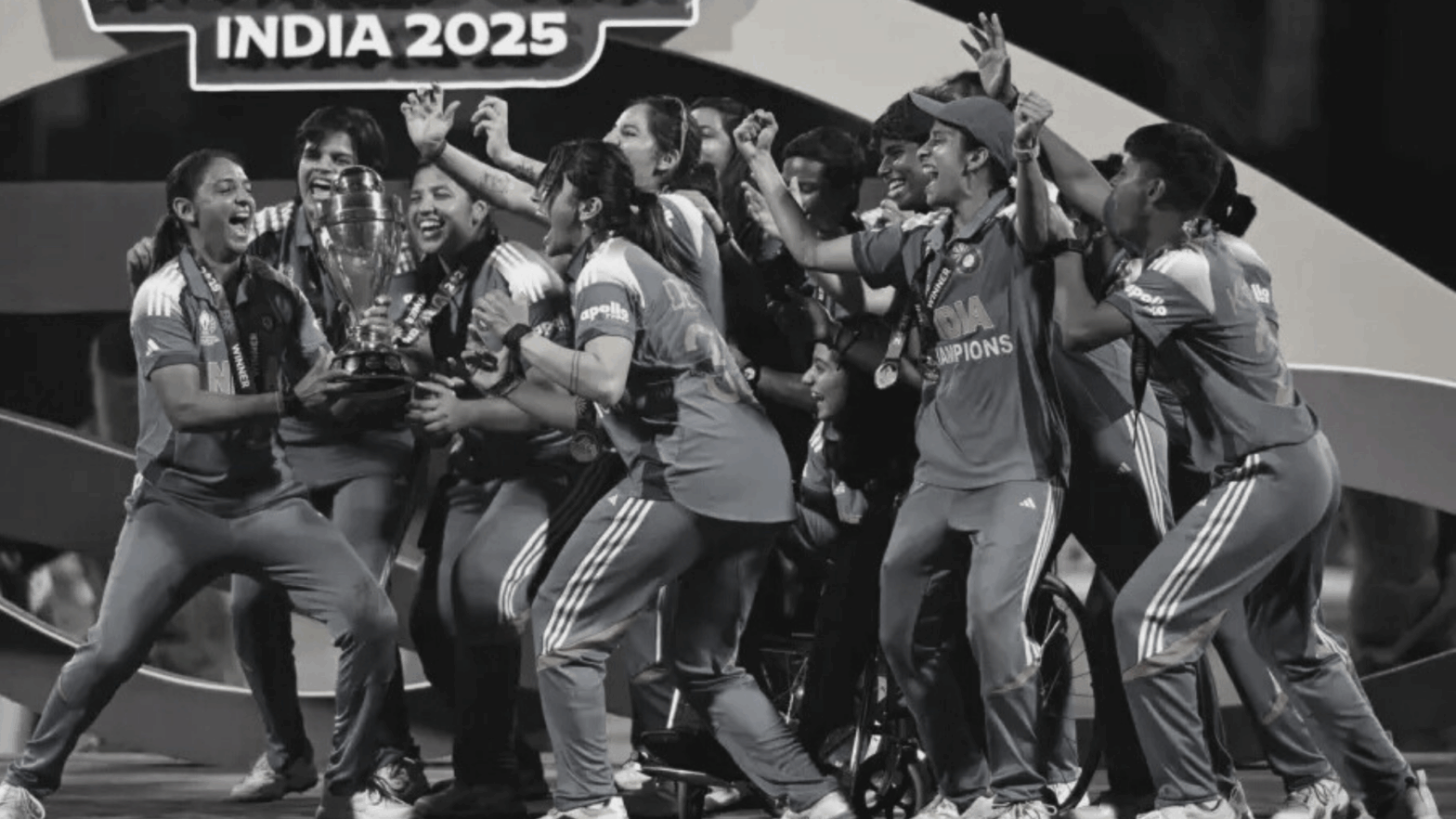
Cricket was once called a gentleman’s game. Today, that word stands corrected. There are victories that rewrite scorecards, and then there are those that rewrite systems.India’s 2025 Women’s World Cup win sits firmly in the latter. When Harmanpreet Kaur lifted that 11-kilogram trophy on 2 November, she wasn’t just celebrating a match. She was claiming… Continue reading From Passion to Profession: How Cricket’s Workplace Got Ungendered
Definition of “Workplace” as per the POSH Act, 2013, and navigating the implementation
In today’s rapidly changing work environment, the concept of a “workplace” has expanded far beyond the traditional confines of office walls. As remote work, flexible schedules, and hybrid models become increasingly common, companies face new challenges in ensuring a safe and respectful environment for all employees. This evolution brings us to a critical question: How… Continue reading Definition of “Workplace” as per the POSH Act, 2013, and navigating the implementation
She-Box and Workplace Sexual Harassment – What corporate leaders need to know and do
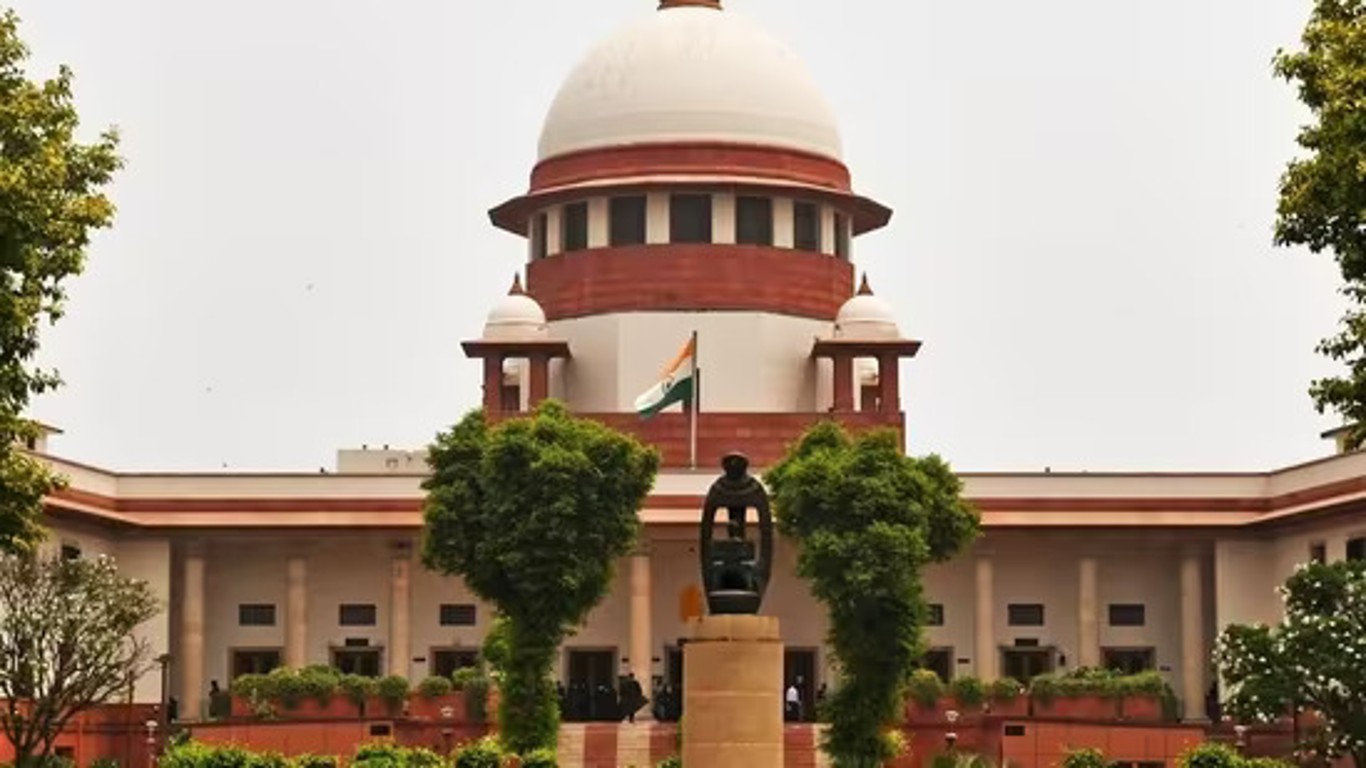
In recent months, the issue of workplace sexual harassment has gained significant attention, prompting governments and organizations to develop new tools and systems to address this persistent problem. One such initiative doing rounds everywhere is the relaunch of the Sexual Harassment Electronic Box, commonly known as She-Box. But what exactly is She-Box, and how does… Continue reading She-Box and Workplace Sexual Harassment – What corporate leaders need to know and do
Bias against “emotions”

Usually said to women, or if otherwise then noted as a criticism, there is something that the society holds against “emotions”. As if emotions are a flaw, a sign of weakness. I’ve spoken to many women who have been labelled as “too emotional” in various settings—at work, at home, and in social circles. Each time… Continue reading Bias against “emotions”
How to conduct a PoSH investigation?

A PoSH investigation is a crucial aspect of the Sexual Harassment of Women at Workplace (Prevention, Prohibition, and Redressal) Act, 2013. The Act establishes a legal framework for addressing and preventing workplace sexual harassment. The redressal body conducts the investigation process that every employer is obligated to establish in their organization. The body is called… Continue reading How to conduct a PoSH investigation?
How to prevent gender stereotypes in your workplace?

Are such support staff protected from sexual misconduct at the workplace?
How can leaders promote allyship in the workplace?

Are such support staff protected from sexual misconduct at the workplace?
